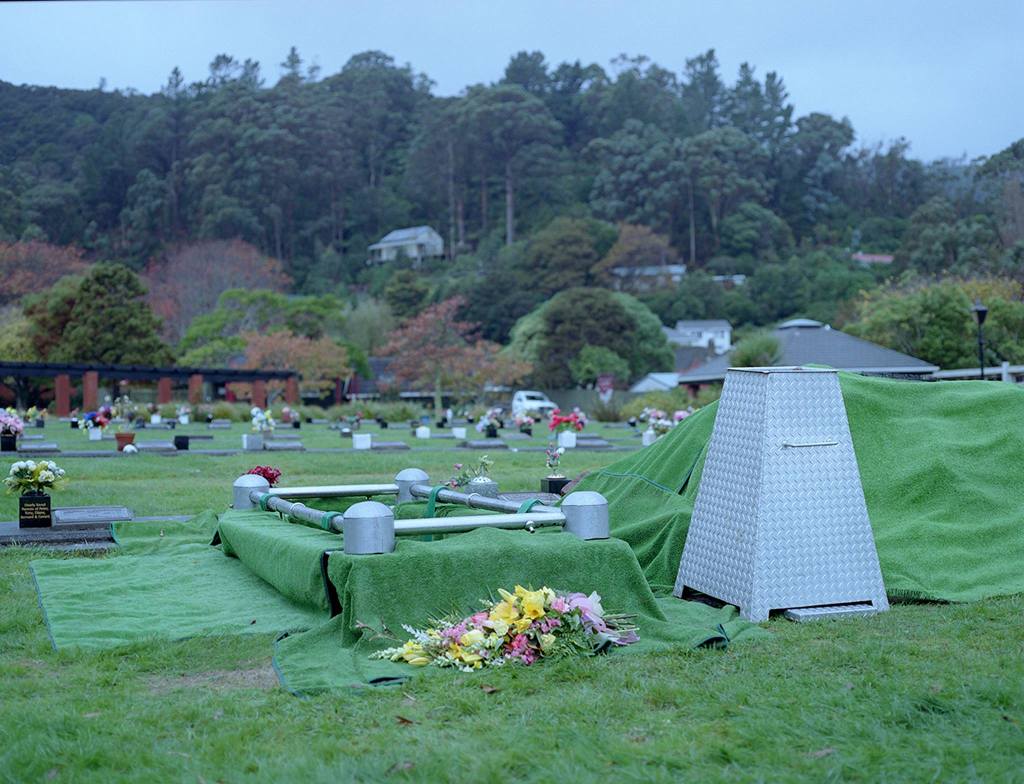
This is a catalogue essay I wrote for Alice Duncan’s exhibition at SEVENTH gallery, One more time, this time for real (2016). Writing for Alice meant inhabiting her understanding of the world, just for a little while, and it changed the way I understand photography.
Between the idea
And the reality
Between the motion
And the act
Falls the Shadow
T.S Eliot, “The Hollow Men”
Alice Duncan’s work explores photography not so much as a lie – photography doesn’t mean to mislead the viewer – but as what Mel Brochner would call a ‘colossal misunderstanding’. When we view photographs, we embed and project. We perceive non-existent narratives. We construct false realities based on pictorial clues of questionable legitimacy. We seek to understand the photograph by creating a story that assimilates the image into our mental schema, and we often don’t linger long enough to question this automatic process and shaky detective work.
Duncan attempts to distance the viewer from the subject matter of her photographs in order to disable our immediate cognitive responses to the figurative imagery. She does this not by abstraction – photography cannot ever be abstract because it is deictic to a real moment in spacetime – but by reiterating the photograph’s materiality. An intaglio print is the product of ink in the crevices of an etched surface transferred to paper; analogue photography receives the light reflected off objects in the camera’s field of view, causing a chemical change to the film inside the camera. The print is to the etched surface as the photograph is to the light in that very specific moment the photograph was ‘conceived’. Thus, the photograph is indexical. While the eye works in a similar way – processing photons into electrochemical signals that bring forth sight – we must not mistake photography with the act of seeing.
The emphasis in One more time, this time for real, is on the material objects that reference the site represented in the photograph. In Duncan’s work, the photograph extends beyond its border, both supported and negated by the accompanying ‘evidence’ of props (physical objects) that apparently feature in the photograph but don’t really. The soil does not reinforce the photograph’s claim to be real – the soil doesn’t even come from the photographic site. But it looks like it does. Its physical properties embarrass the photograph’s allusion to reality – isn’t a solid rock, after all, realer than a photograph of a rock, even if this rock isn’t the same rock as that one? But the soil, the stones – they are no more a ‘real’ representation of the sites than the photographs. They are so phony they expose the limits of the photograph – complicit in the deception – as a stand-in for reality. Ironically, it is this deception that reminds the viewer they were deceived in the first place.
The props legitimise the photograph’s claim to a position in space – corporeal space, not heterotopic space – while poking fun at the idea of the gallery site in any way representing a ‘reality’ other than its reality as an exhibition space. To Duncan, the photograph is the starting point for establishing a new space altogether. The photograph is not just a window into another time and place, but an object in its own right, in its own situation right now. The context of the photograph is not in the photograph, but surrounding it. The photograph is not in Japan, the photograph is in SEVENTH. Japan is in the photograph, but Japan is not in SEVENTH.
Duncan shoves us back into a space where our brains are taken off autopilot – there will be no swift assimilation of symbol and data into narrative in One more time, this time for real. Instead, we must rein in the assumptions that naturally flood our brains when we view figurative images. In some ways the farce of real rocks posing as real rocks, is a moot point – Duncan creates new and strange spaces which must be navigated as spaces in their own right. The photograph, indexical to the moment it was conceived, is also produced as a thing – an object with its own colour, form, weight, smell, and sound. As such, we must take it as it is and assess it for its formal composition.
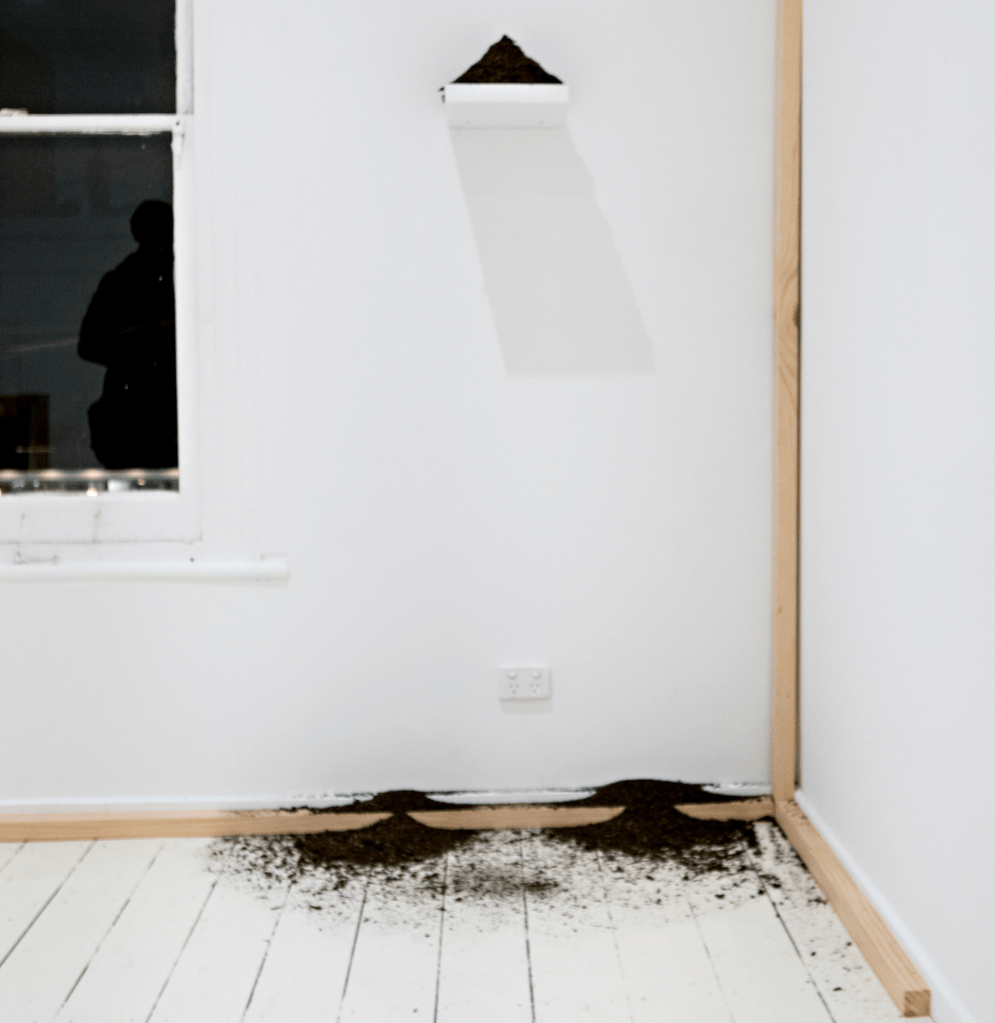
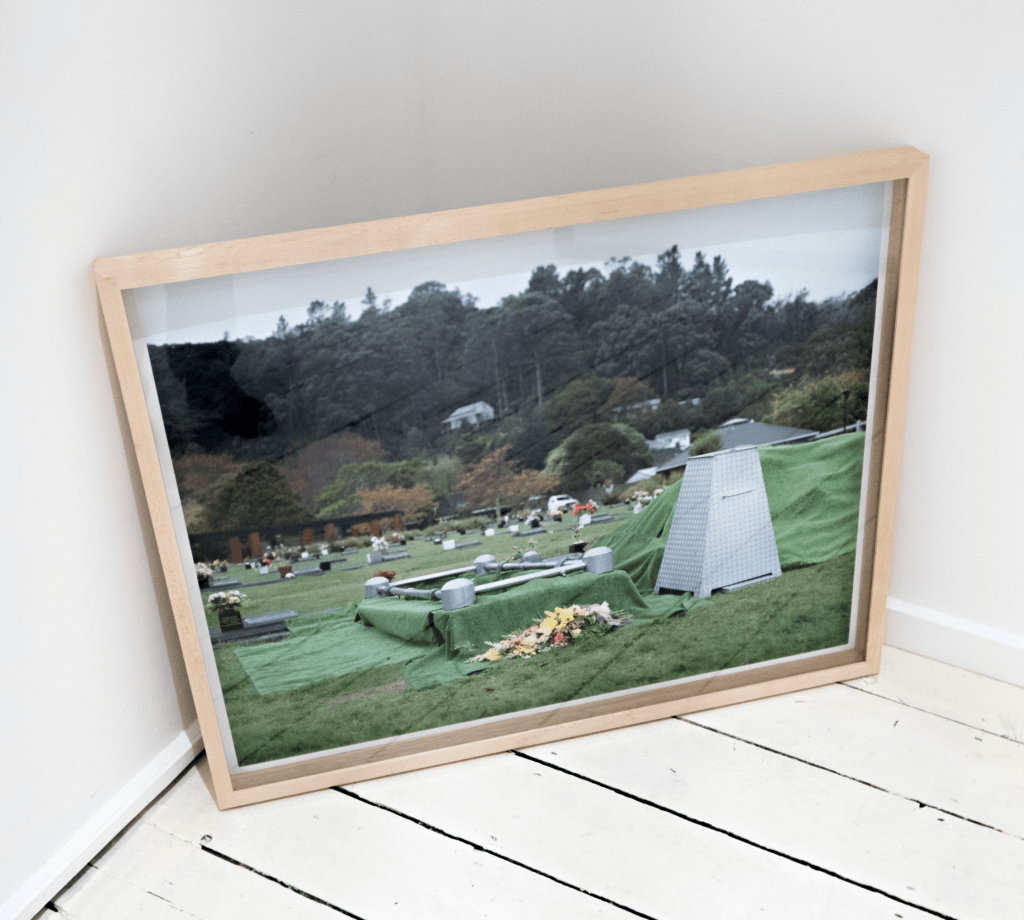
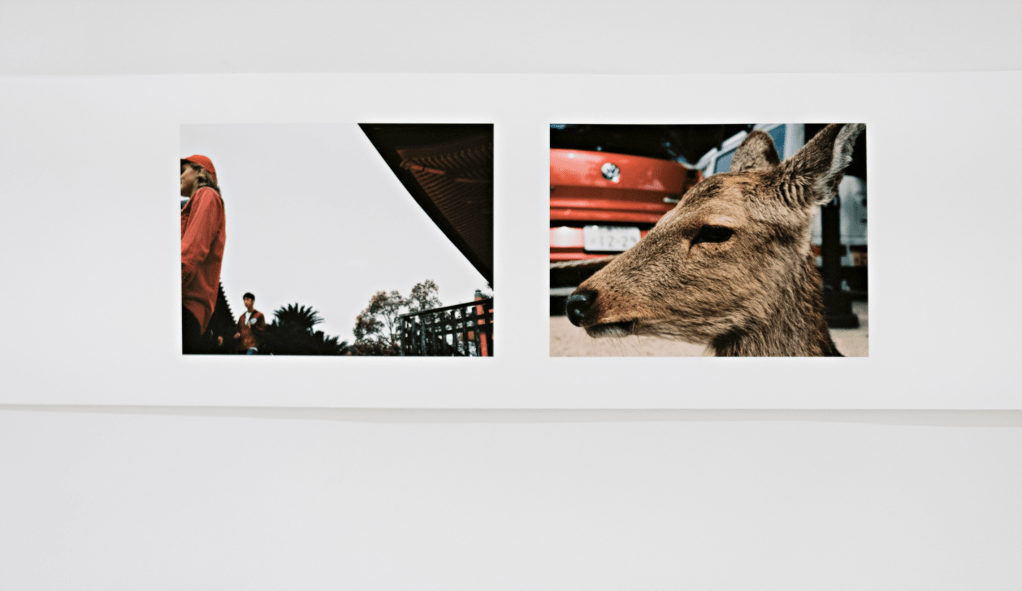
Image credits
Alice Duncan
 good nic
Leave a comment